Ideogram Character
My Images
Ideogram Character Reference & Portraits
Ideogram Character uses a portrait reference to explore recognisable people in new scenes. Build a character project around the face, hairstyle and wardrobe cues you want to carry through, then inspect each variation.
One recognisable person across different scenes
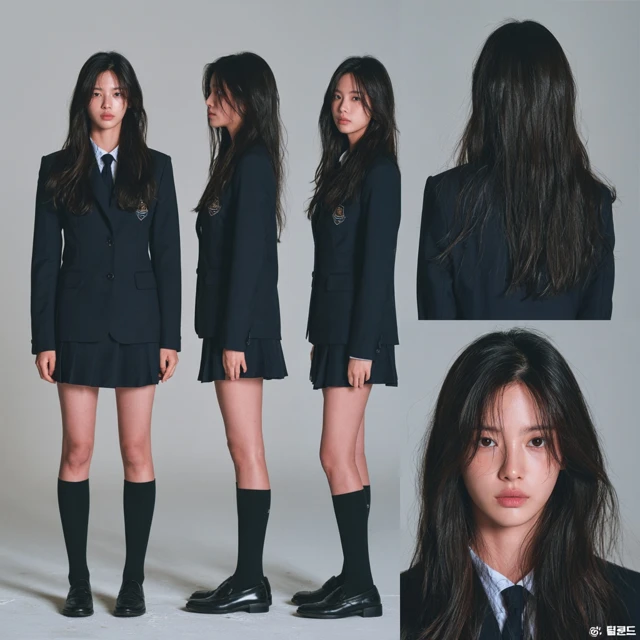
Planning your Ideogram Character image
Start an Ideogram Character project by separating identity from the scene. Facial shape and hairstyle may define the person, while clothing, posture and surroundings explain what is happening in a particular image.

A reference that reads clearly
Give Ideogram Character a clear, authorised portrait with enough detail to recognise the person. Avoid a reference dominated by face coverings or a second person, and check the framing before preparing the next scene.
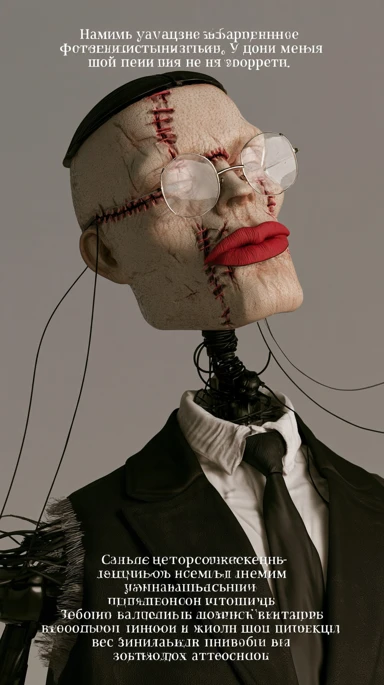
Wardrobe and setting
Write an Ideogram Character scene around a concrete action and setting. Describe a coat, a location or a pose as the new direction, while keeping a short, consistent description of the defining personal features.

A sequence of story images
Compare Ideogram Character variations against the reference at a useful size. Look at face shape, hairstyle and accessories separately; a convincing overall mood can still contain a detail that changes the person’s identity.
Choose a Ideogram Character workflow
An Ideogram Character character project starts with a clear reference. Use the Character workflow to explore a person across settings, then compare the defining details.
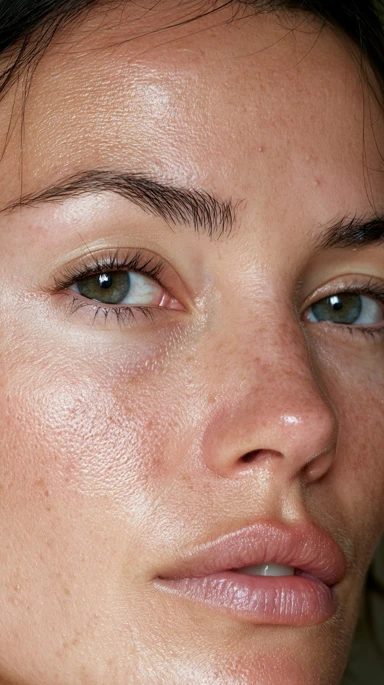
A reference that reads clearly
Choose a clear face with limited obstruction and a readable hairstyle.
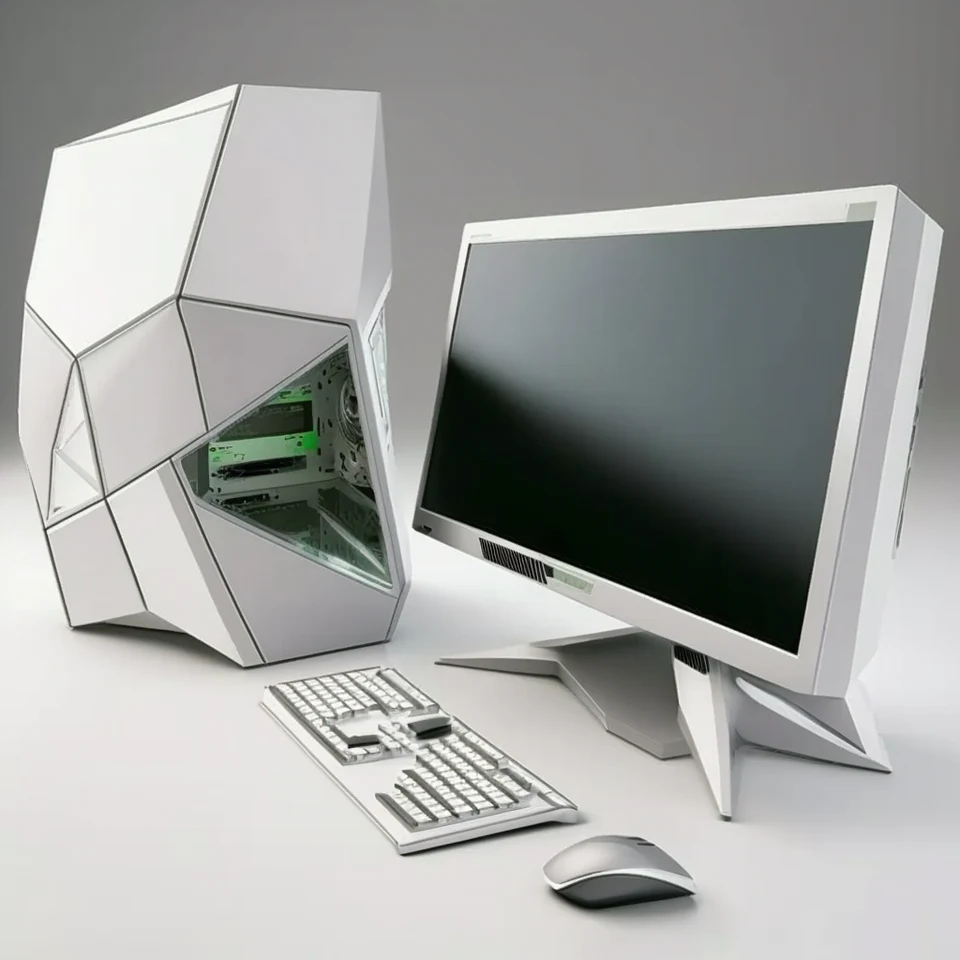
Wardrobe and setting
Plan Ideogram Character character variations around the same person in a new wardrobe or location.

A sequence of story images
Give each image a different story beat while retaining recognisable character cues.
Creative directions for Ideogram Character
A useful Ideogram Character project has a purpose beyond the first image. Consider the viewer and final placement while exploring these creative directions.
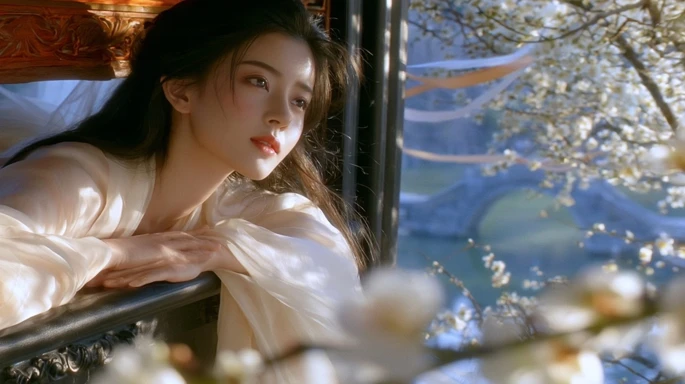
A sequence of story images
Give each image a different story beat while retaining recognisable character cues.
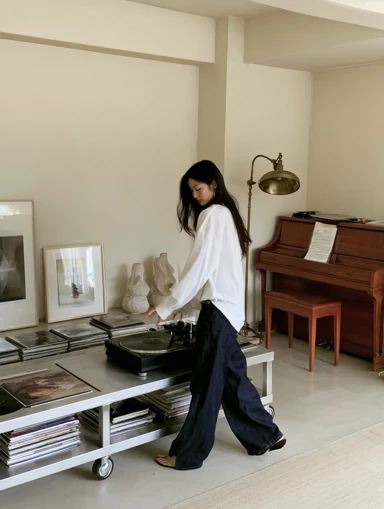
A recurring brand character
Explore an Ideogram Character character identity that suits your brand colours and audience.
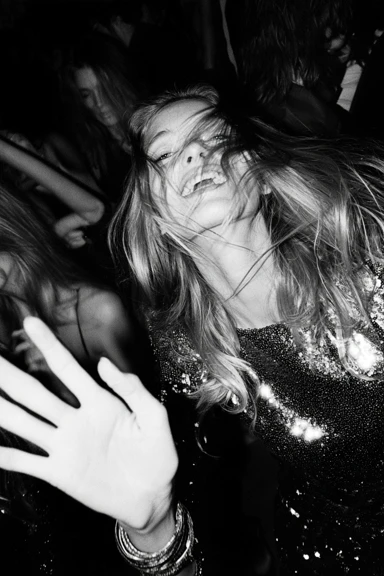
Expression and body language
Use expression and posture to explain the scene; inspect facial details in each variation.

A compact character brief
Keep the reference and a short list of identity cues beside your Ideogram Character project.
Ways to develop your Ideogram Character project
Consider the intended audience and setting before choosing the next variation.
Explore the relationship between light, expression and setting for a portrait story.
Questions about Ideogram Character
Find the right starting material, workflow and checks for your Ideogram Character brief.
Ideogram Character uses a portrait reference to explore recognisable people in new scenes. Build a character project around the face, hairstyle and wardrobe cues you want to carry through, then inspect each variation.
Sign in to claim the welcome activity shown on the page. Weekly check-in rewards follow the current rules; the selected model quote explains how credits apply to your task.
Put a short headline in quotation marks, describe its position and contrast, and leave space around it. Check spelling and line breaks before using the image.
Ideogram 5.0 · Ideogram V3 · Ideogram Character · Ideogram V3 Remix
Start an Ideogram Character project by separating identity from the scene. Facial shape and hairstyle may define the person, while clothing, posture and surroundings explain what is happening in a particular image.
Write an Ideogram Character scene around a concrete action and setting. Describe a coat, a location or a pose as the new direction, while keeping a short, consistent description of the defining personal features.
Choose the available aspect ratio and size for the selected model. Match the layout to its placement, then verify the downloaded file before using it in a final design.
Use an authorised, clear reference and a short description of the features that make the person recognisable. Compare the face, hairstyle and accessories after changing the setting or wardrobe.
Remix explores a new treatment of an existing image. An available Edit workflow may suit a targeted regional change better. Review the mode and its input requirements before preparing references.
The selected model, rendering option and number of images can affect the quote. Read the total shown before submitting; a new setting can change the amount needed for the task.
Compare the included credits, billing period and renewal rules against your creative frequency. The pricing page explains the current offers; different models can use credits at different rates.
Check the site terms and applicable provider rules. Confirm permissions for reference images, trademarks and portraits, and keep the relevant records with the project before publishing or delivering the design.
Open a completed result to inspect the full image and use the available download control. Keep the creative brief with the file if you intend to make another variation later.
Review the image at its real display size. Check text, product details and framing, then complete any precise typography or print preparation in your final layout before delivery.
Use the contact page with the task or order number and a short description of the issue. Include useful error details so support can locate the record.
Develop your next idea with Ideogram Character
Bring a clear idea to Ideogram Character, choose the available settings that fit the task and compare the result against your creative brief.